The Role of Hardscaping in Water Conservation Efforts
Sustainable water management is critical in today’s world. As urban areas expand and climate change affects weather patterns, innovative solutions are necessary to manage water resources effectively. One such solution is hardscaping, which involves using non-plant elements in landscaping projects. These can include patios, walkways, and retaining walls. By incorporating these elements into your landscape design, you can significantly contribute to water conservation efforts. Let’s explore how hardscaping plays a role in sustainable water management.
Water Conservation Benefits of Hardscaping
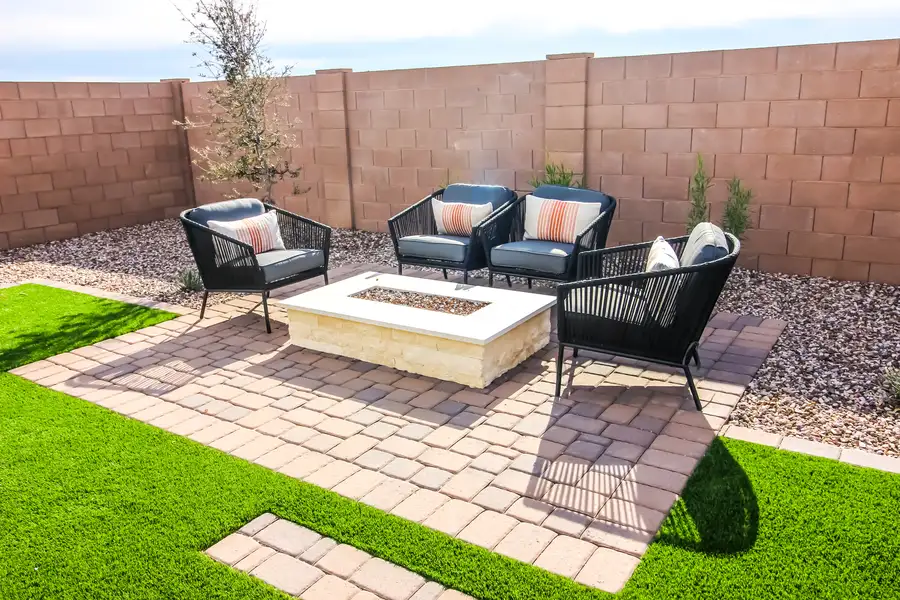
Hardscaping offers several benefits when it comes to conserving water. First, it reduces the need for irrigation because non-plant materials like stone or concrete do not require watering. This leads to significant savings on water usage. Additionally, hard surfaces can be designed to channel rainwater away from areas where it might cause erosion or flooding. By strategically placing these materials, you can direct rainwater towards plants that need it most or into rain barrels for later use.
Mitigating Runoff With Permeable Surfaces
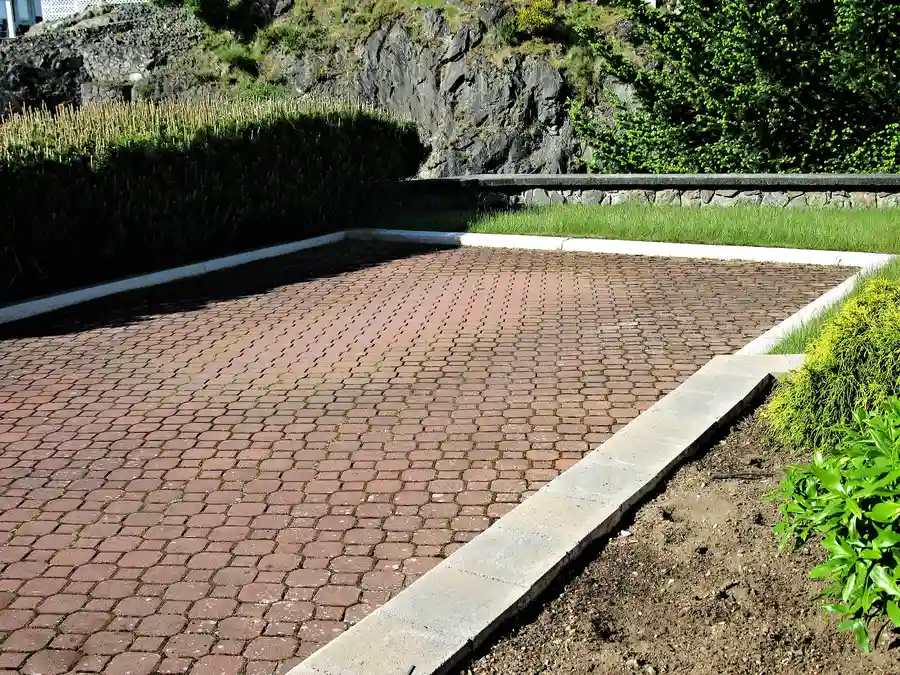
A key advantage of including hardscaping services is their ability to incorporate permeable surfaces. Permeable pavements allow water to pass through, reducing runoff and promoting groundwater recharge. Unlike traditional pavements that lead to excessive runoff and potential flooding, permeable options help manage stormwater naturally. They filter pollutants while allowing rainwater to soak back into the ground, supporting local aquifers.
Erosion Control Through Effective Design
Another vital aspect of using hardscaping services is its role in erosion control. Retaining walls and terraces can stabilize slopes, preventing soil erosion during heavy rains. By holding soil in place, these structures reduce sedimentation in nearby waterways, protecting aquatic ecosystems. Properly designed hardscape features can also create leveled planting beds that enhance plant growth while minimizing soil loss.
Challenges and Considerations in Hardscaping
While hardscaping provides numerous advantages, some challenges must be addressed. The upfront cost of installing hardscape elements can be higher compared to traditional landscaping methods. Additionally, choosing the right materials and ensuring proper installation are crucial to achieving desired results. It is essential to work with experienced professionals who understand how different materials interact with the environment and can offer solutions that balance aesthetic appeal and functionality.
Steps to Implementing Sustainable Hardscaping
- Assess your current landscape and identify areas prone to water accumulation or erosion.
- Select appropriate hardscape materials that complement your home and address specific water management needs.
- Consult with experts to develop a comprehensive plan that includes drainage solutions and permeable surfaces.
- Implement the design by starting with foundational elements like retaining walls before adding pathways and decorative features.
- Maintain your hardscape by cleaning surfaces regularly and addressing any signs of wear or damage promptly.
Best Practices for Maximizing Efficiency
To maximize the efficiency of your hardscaping project, follow these best practices:
- Choose environmentally friendly materials such as recycled pavers or natural stones.
- Incorporate rain gardens or bioswales within your design to further enhance stormwater management.
- Regularly inspect drainage systems to ensure they function correctly after storms.
- Combine hardscaping with native plants that require less water and provide habitat for local wildlife.
Cost Implications and Return on Investment
The initial investment in hardscaping may seem high, but the long-term benefits often outweigh the costs. Reduced water bills, lower maintenance costs, and increased property value contribute to a significant return on investment. Homeowners should consider both financial and environmental gains when evaluating the overall impact of hardscaping on their property’s sustainability goals.
Your Pathway to Sustainable Landscaping Solutions
Consider enhancing your outdoor space with sustainable elements today. Located in Bridgeport, PA, our team at JM Silverio Landscaping LLC specializes in creating eco-friendly landscapes that promote water conservation and protect natural resources. Call us at (484) 756-5260 to learn more about how we can transform your yard into a green oasis while supporting sustainable water management efforts.